Embracing the Flow: How the Namaste Script Font Brings Elegance to Modern Design
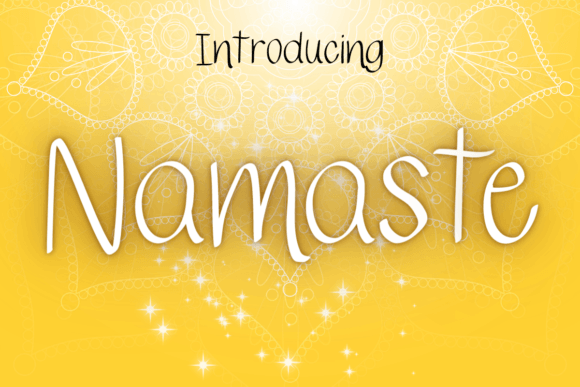
There is a specific moment in design when you realize a standard serif or sans-serif typeface just isn't going to cut it. You are working on a project that requires warmth, personality, and a distinct cultural flair, but you don't want something that looks like generic clipart. This is where typography becomes an art form, and specifically, where the Namaste font finds its voice. It is not merely a collection of letters; it is a visual representation of grace, combining the fluidity of handwriting with a distinct, exotic aesthetic.
Understanding the Namaste Aesthetic
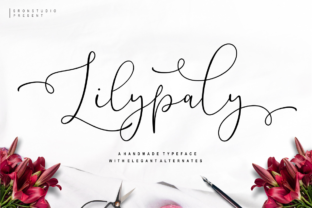
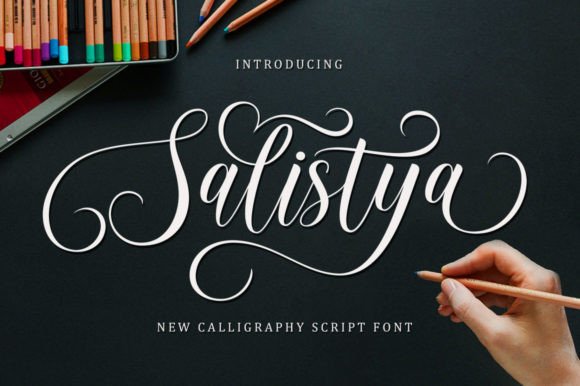
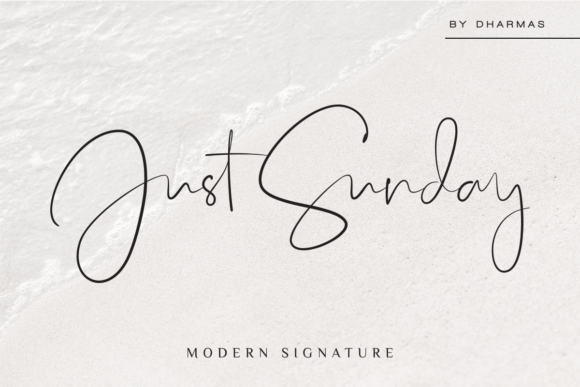
At its core, Namaste is a thin and smooth script font. However, the description "script" often brings to mind messy, unreadable cursive. Namaste is different. It carries a sophisticated structure that mimics the deliberate strokes of calligraphy while maintaining a modern, clean line. The defining characteristic is its slight Arabic-Hindi vibe. This isn't a heavy, blocky typeface meant for headlines in a newspaper; it is a delicate, flowing style that suggests movement and spirituality. The characters connect in a way that feels organic, almost as if the ink is still settling on the paper.
For designers, this specific aesthetic solves a common problem: how to incorporate an "ethnic" or "bohemian" feel without being disrespectful or overly cliché. The font feels respectful and artistic, making it a versatile tool for a wide array of creative projects.
Transforming Special Occasions: Invitations and Stationery
The most immediate application for a font like Namaste is in the world of event planning and stationery. Consider the challenge of designing a wedding invitation. The couple wants to convey romance, tradition, and a sense of timeless beauty. Using a standard font can make the invite look like a business letter, while a novelty font might make it look cheap.
Namaste hits the sweet spot. Because it is smooth and thin, it sits beautifully on textured cardstock without overwhelming the paper's natural grain. It looks stunning on wedding invitations because it mimics the look of hand-lettering, which implies that the invitation was crafted with care rather than mass-produced. It works exceptionally well for the couple's names, creating a focal point that is both legible and artistic.
Beyond weddings, this translates perfectly to other stationery needs. Think about thank you cards. In a digital age, receiving a physical card is special, and the typography sets the tone. Namaste adds a layer of sincerity that a typed font simply cannot match. It suggests that the writer took the time to select something beautiful to express their gratitude.
Brand Identity and Business Applications
While script fonts can sometimes be difficult to read in small sizes, Namaste’s clean lines offer surprising versatility in the business world, provided it is used in the right context. It is not a font for a law firm or a construction company, but for industries that rely on aesthetics, wellness, and personal connection, it is a powerful branding tool.
Logos and Business Cards: For freelancers, boutique agencies, or lifestyle brands, a logo needs to tell a story instantly. Namaste is excellent for logos in the wellness, yoga, or beauty sectors. It suggests relaxation and holistic care. When printed on a business card, the thin, elegant strokes of Namaste convey a sense of premium quality. It pairs exceptionally well with minimalist layouts—imagine a stark white card with the business name in Namaste and the contact details in a simple, neutral sans-serif. The contrast creates a high-end, professional look.
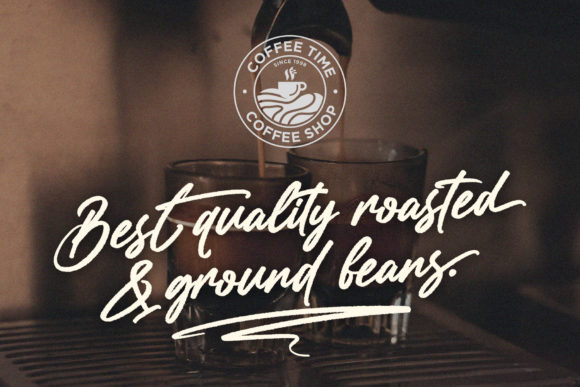
Digital Presence: In the realm of social media, visual noise is everywhere. Influencers and content creators often struggle to find fonts that don't look like standard system defaults. Using Namaste for Instagram quotes or Pinterest pins can instantly elevate the content. When overlaying a quote on a photo, the semi-transparent, flowing nature of the font allows the image to breathe while still delivering the message.
Creative Scenarios: Quotes, Art, and Packaging
The utility of Namaste extends well beyond paper. In the digital and physical product space, it serves as a bridge between the message and the medium.
Greeting Cards and Wall Art: There is a booming market for typography-based art. Inspirational quotes, song lyrics, and poetry are often sold as framed prints. Namaste is ideal for this because it has high aesthetic value even when the words are removed. The curves and loops of the letters are art in themselves. For greeting cards, especially those intended for encouragement or sympathy, the font provides a soft, comforting visual voice.
Packaging Design: Imagine a line of artisanal tea, handmade soops, or essential oils. The packaging needs to reflect the natural, organic ingredients inside. Namaste fits this niche perfectly. Its slight Arabic-Hindi influence can evoke the origins of spices or the history of herbal remedies without needing to use explicit imagery. It helps tell a story of heritage and purity.
Practical Considerations and Best Practices
While Namaste is a beautiful tool, it requires a thoughtful approach to be effective. Typography is as much about restraint as it is about expression.
Readability vs. Style: Because Namaste is a thin script, it is best used for display purposes—headers, titles, and short phrases. If you try to write a full paragraph of body text in Namaste, your audience will struggle to read it. The eye tires quickly when deciphering complex script letterforms. Always pair it with a clean, highly legible font for the body copy. A light sans-serif like Montserrat or a classic serif like Garamond often complements the flowing nature of Namaste without competing for attention.
Color and Contrast: Thin fonts can disappear if the contrast is too low. Avoid placing Namaste in light grey text on a white background, or light yellow on a sunny background. It shines brightest when there is high contrast—black on white, gold on navy, or white on a dark floral background. This ensures the delicate strokes remain visible and impactful.
Cultural Sensitivity: When using a font that carries cultural connotations, such as the Arabic-Hindi vibe of Namaste, context matters. It is perfect for yoga studios, meditation centers, or travel-related designs. However, using it in a context that contradicts these values—such as aggressive political messaging or inappropriate humor—can create a jarring disconnect. It is best to lean into the peaceful, artistic nature of the typeface.
Who Benefits Most from Namaste?
Different users will find different value in this script.
- Graphic Designers: They gain a unique asset for their library that breaks away from the standard "wedding script" look. It offers a specific cultural flavor that is hard to replicate with standard fonts.
- Small Business Owners: Especially those in the handmade or wellness sectors, can use it to create a cohesive brand identity that looks professional and bespoke.
- DIY Crafters: For those using cutting machines (like Cricut or Silhouette) for home decor or gifts, Namaste cuts cleanly due to its thin lines, making it practical for vinyl and paper crafts.
- Social Media Managers: They can use it to create a signature look for their client's quotes or announcements, helping the content stand out in a crowded feed.
Final Thoughts on Implementation
The true power of a font like Namaste lies in its ability to inject personality into a design instantly. It removes the stiffness often associated with digital text. When you apply Namaste to a project, you are not just spelling out words; you are curating an experience. Whether it is the delicate curve of a "g" in a greeting card or the sweeping entry of a capital "N" in a logo, the font invites the viewer to slow down and appreciate the visual beauty of the language.
For anyone looking to add a touch of elegance, cultural depth, or artistic flair to their work, exploring the potential of the Namaste script is a worthwhile endeavor. It reminds us that in design, the medium is indeed part of the message. By choosing a typeface that values smooth lines and a distinctive heritage, you ensure that your project resonates on a deeper, more aesthetic level.