Exploring the Visual Language of Playful Typography in Digital Design
The Psychology Behind Whimsical Letterforms
In the vast landscape of graphic design, typography serves as the primary voice of a visual message. While serif fonts often denote tradition and sans-serifs suggest modern minimalism, a specific category exists to evoke emotion and personality: the playful typeface. These designs, characterized by irregular baselines, rounded edges, and exaggerated proportions, tap into the psychology of nostalgia and joy. When a viewer encounters a font that mimics the energy of hand-drawn animation, it triggers an immediate emotional response associated with childhood, creativity, and lightheartedness. This psychological impact is crucial for brands and creators looking to establish an immediate connection with their audience, bypassing the cold formality of corporate typography in favor of a warm, inviting aesthetic.
Defining the "Happy Fun" Aesthetic
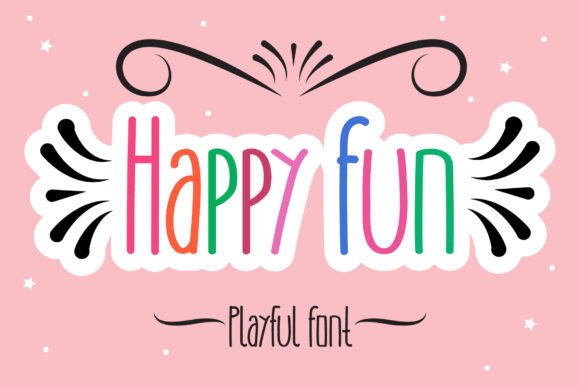
Among the myriad of options available to designers, certain typefaces stand out for their ability to capture a specific vibe. Consider the design philosophy behind fonts like Happy Fun. Inspired heavily by the dynamic worlds of comics, retro games, and Saturday morning cartoons, this style of typography is not merely a collection of letters; it is a visual experience. The charm lies in its "boyish" and energetic personality. Unlike strictly decorative fonts that sacrifice readability for flair, high-quality playful typefaces maintain legibility while infusing the text with a sense of motion. The shapes often feature soft, bubbly structures that feel approachable, making them ideal for contexts where the goal is to lower barriers and invite interaction.
Anatomy of a Cartoon-Inspired Typeface
Understanding why a font like Happy Fun works requires an analysis of its structural components. These typefaces often defy the strict grid systems used in traditional typography. Instead, they embrace asymmetry and fluidity.
- Variable Stroke Width: To mimic the pressure of a marker or brush pen, strokes often vary in thickness, adding a human touch to the digital vector.
- Rounded Terminals: Sharp corners are softened or completely rounded off. This design choice subconsciously signals safety and friendliness, a technique frequently used in children’s education materials and user interface (UI) design for apps.
- Bouncy Baselines: Rather than sitting flat on a line, the letters often appear to jump or dance. This creates a rhythm within the text, guiding the reader's eye forward with a sense of excitement.
These characteristics combine to create a typography style that feels alive. It carries the DNA of pop culture, referencing the bold outlines of comic book speech bubbles and the pixelated nostalgia of 8-bit gaming, yet rendered with modern vector precision.
Strategic Applications Across Industries
The versatility of a playful font extends far beyond simple novelty. Professionals across various industries utilize these typefaces to solve specific communication challenges. The application of a font like Happy Fun can transform the perceived tone of a project from serious to engaging instantly.
Publishing and Education
In the realm of publishing, particularly for imaginary children’s books, typography must compete with vibrant illustrations. A font with a "cute and friendly" attitude complements artwork rather than clashing with it. The irregular shapes help young readers distinguish individual letters, aiding in literacy development. Furthermore, for school supplies—ranging from notebook covers to pencil cases—this typography signals utility in a fun package, making the learning process feel less like a chore and more like an adventure.
Digital Media and Entertainment
The digital sphere is perhaps the most aggressive consumer of playful typography. In the ecosystem of YouTube, where creators fight for split-second attention, thumbnails and channel covers using bold, cartoon-inspired fonts like Happy Fun stand out in a crowded feed. The font’s inherent energy promises entertainment and high-octane content. Similarly, indie game developers often choose these typefaces for their UI and logos to match the whimsical mechanics of their gameplay, creating a cohesive world that feels consistent from the menu screen to the final level.
Branding and Commercial Identity
Brands targeting younger demographics or the "kidult" market—adults who retain a fondness for pop culture—benefit significantly from this typography style. It is not limited to toy stores. We see this aesthetic in candy packaging, casual apparel, and lifestyle brands that want to project an image of optimism. A business card printed with a playful font suggests that the business owner is creative, approachable, and open to new ideas, distinguishing them from competitors using standard corporate templates.
Technical Considerations for Implementation
While the aesthetic appeal of Happy Fun is evident, successful implementation requires technical foresight. Designers must balance whimsy with functionality to ensure the message is not lost in the style.
Hierarchy and Contrast
Playful fonts are generally best suited for display purposes—headlines, titles, and logos. Using a highly stylized font for long paragraphs of body text can lead to visual fatigue and reduced readability. The recommended workflow involves pairing the playful font with a clean, neutral sans-serif for body copy. This creates a visual hierarchy where the headers capture the mood and the body text delivers the information efficiently.
Color and Texture Pairing
The "happy" nature of the font lends itself well to saturated, high-contrast color palettes. However, care must be taken to ensure accessibility standards are met. Pairing these fonts with hand-drawn textures, watercolor backgrounds, or paper cutout effects can enhance the tactile quality of the design, making digital assets feel more organic and grounded.
The Role of Typography in User Experience (UX)
In modern web design, user experience is paramount. Typography plays a silent but powerful role in how a user feels when navigating a site. A website utilizing a font like Happy Fun for its interface elements—buttons, navigation menus, and error messages—can soften the user's frustration. For example, a 404 error page written in a playful, cartoonish font feels less like a technical failure and more like a minor detour in an adventure. This shift in tone can significantly reduce bounce rates and improve user sentiment toward a brand.
Social Media and Engagement
On platforms like Instagram and TikTok, visual consistency is key to brand recognition. Creators who use Happy Fun for their quote posts, story highlights, and video titles build a recognizable visual signature. The font acts as a stamp of personality. Because the typography feels casual and informal, it encourages engagement; users are more likely to comment or share content that feels accessible and relatable rather than distant and polished.
Trends in Casual Design and Packaging
The trend toward "humanized" design has seen a resurgence in hand-drawn and cartoon-inspired aesthetics. In packaging design, this is often referred to as "shelf impact." Products utilizing the Happy Fun style stand out on retail shelves because they break the mold of minimalist, sleek packaging that has dominated the last decade. This is particularly true for snack foods, beverages, and stationery. The typography tells the consumer, "This product is enjoyable," before they even read the product description.
Event Invitations and Stationery
For personal use, the applications are equally broad. Designing invitations for birthdays, baby showers, or casual gatherings requires a tone that is celebratory. A font inspired by cartoons and games immediately sets the mood for a party. It suggests that the event will be relaxed and fun. Similarly, in the stationery market, from planners to sticky notes, the Happy Fun aesthetic turns mundane organizational tasks into creative activities.
Conclusion: The Enduring Appeal of Playful Typography
Typography is more than just legible shapes; it is the clothing that words wear. In a digital landscape that can often feel sterile and algorithmic, fonts like Happy Fun provide a necessary injection of humanity and joy. By drawing inspiration from the rich history of comics, games, and cartoons, these typefaces bridge the gap between professional design and pure imagination. Whether used on a YouTube thumbnail to garner clicks, on a child's book to spark wonder, or on a business card to forge a friendly connection, playful typography remains a powerful tool for anyone looking to communicate with a smile. As design trends continue to evolve, the demand for visuals that make people feel good will ensure that the "happy fun" style remains a timeless asset in the designer's toolkit.