Pulse: The Sans Serif That Adapts to Any Project
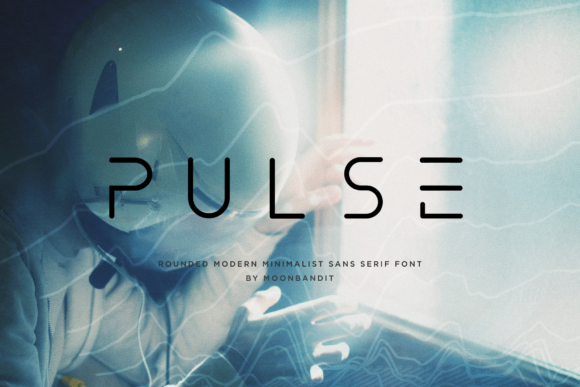
When you're knee-deep in a design project, the last thing you need is a font fighting against your vision. You want something that works with you, not against you. That's where Pulse comes in. It's a sans serif font with a clean, minimal personality that quietly does its job without stealing the spotlight. But don't mistake its restraint for weakness. Pulse has a subtle confidence that makes it incredibly versatile, whether you're designing a logo for a startup or laying out a cookbook for a local bakery.
What Makes Pulse Stand Out
Pulse isn't trying to be loud or trendy. Its strength lies in its simplicity. The letterforms are balanced, with just enough character to feel warm without becoming distracting. You'll notice even spacing and consistent proportions, which means it reads well at both small and large sizes. This kind of modern typography approach is what makes Pulse feel current without being tied to a fleeting design trend.
The overall tone of Pulse is approachable and professional. It doesn't carry the coldness that some sans serif fonts lean into, nor does it try to mimic a handwritten font or script font. It sits in a sweet spot that works for brands wanting to appear trustworthy, modern, and accessible. If you've ever struggled with finding a typeface that doesn't overwhelm your layout, Pulse is worth serious consideration.
Where Pulse Really Shines
One of the best things about Pulse is how naturally it fits into different types of work. Here are a few areas where it performs particularly well:
- Brand Identity: Pulse works beautifully as part of a brand identity system. It pairs well with a wide range of secondary fonts, including serif fonts for contrast or another sans serif for a cohesive look. Use it for primary headlines, body copy, or both depending on the brand's tone.
- Web Design: Clean web design relies on legibility and hierarchy. Pulse handles both with ease. Its generous x-height and open letterforms make it a strong choice for navigation, headings, and paragraph text on screens of all sizes.
- Social Media Graphics: Fast-moving platforms demand fonts that are immediately readable. Pulse holds up well in social media graphics, whether you're creating Instagram quotes, LinkedIn banners, or Pinterest pins.
- Editorial Design: For magazines, newsletters, or blog layouts, Pulse brings a polished feel without the stiffness. It works alongside a display font for headlines while handling body text gracefully.
- Packaging Design: On product labels and boxes, Pulse keeps things looking clean and modern. It's a solid choice for brands that want their packaging to feel current and uncluttered.
- Logo Design: While some logos need a more distinctive creative font, Pulse can serve as an excellent foundation for logo design, especially when the brand values simplicity and clarity.
How Pulse Influences the Way People See Your Work
Typography does more than display words. It shapes perception. When you choose Pulse for a project, you're making a statement about clarity and professionalism. Audiences respond to fonts on a subconscious level, and a clean sans serif font like Pulse signals that the content is organized, trustworthy, and easy to engage with.
Consider how readability affects your audience's experience. If someone lands on your website and the text feels cramped or difficult to scan, they're likely to leave. Pulse's thoughtful design supports better visual hierarchy, guiding the reader's eye from headline to body copy without friction. That kind of seamless experience keeps people engaged longer, which matters whether you're selling a product or sharing a story.
For small business owners and entrepreneurs, font choice can also influence brand perception. Using a consistent, professional typeface like Pulse across your materials, from your website to your business cards, builds recognition and trust over time. People start to associate that visual language with your brand, and that kind of consistency is powerful.
Practical Tips for Working with Pulse
Before committing to any premium font, it's worth doing a bit of homework. Here are some practical steps to make sure Pulse is the right fit for your next project:
- Evaluate Your Project's Needs: Think about the tone you want to set. Pulse leans modern and clean, so if your project calls for something ornate or highly decorative, it might not be the best match. But if you're aiming for clarity and professionalism, it's a strong contender.
- Test Font Pairings: Pulse plays well with others. Try pairing it with a serif font like Georgia or a display font for headlines to create visual contrast. Experiment with different combinations to see what feels right for your specific project.
- Review Included Styles: Check what weights and styles come with the font family. Having access to light, regular, medium, and bold versions gives you more flexibility in creating hierarchy and emphasis without needing additional design assets.
- Check Readability at Multiple Sizes: Test Pulse in both large headlines and smaller body text. A good sans serif font should remain legible across sizes, and Pulse generally holds up well in this regard.
- Understand the Licensing: If you're using Pulse for commercial font projects, make sure the license covers your intended use. Whether it's for a client's logo design, a product line, or digital content, knowing the terms upfront saves headaches later.
Bringing It All Together
Pulse isn't a font that demands attention. It earns it through consistency, versatility, and quiet confidence. Whether you're a designer working on a client's brand identity, a marketer crafting social media graphics, or a small business owner building your first website, Pulse offers a reliable foundation that lets your content take center stage.
The beauty of a well-designed sans serif font is that it disappears into the work, supporting the message without competing with it. Pulse does exactly that. It's the kind of typeface you reach for when you want things to look polished and intentional without overthinking every detail.
If you've been searching for a creative font that balances personality with practicality, give Pulse a closer look. Test it out in your next project, pair it with fonts you already love, and see how it fits into your workflow. Sometimes the best design decisions are the ones that feel effortless, and Pulse has a way of making good design feel exactly that.