The Quiet Confidence of Modern Typography: Exploring the Gaia Sans Serif Font
In the vast ocean of digital typography, finding a typeface that balances personality with professionalism is a rare catch. We often search for fonts that scream for attention, only to find they distract from the message. Conversely, standard system fonts can feel sterile and uninspired. Enter Gaia, an elegant and versatile sans serif font designed to bridge this gap. It is a typeface that doesn't just display words; it adorns them with a quiet, confident charm. If you are looking to make your typography truly unique, understanding the nuances of Gaia is the first step toward elevating your design language.
Defining the Aesthetic: What Makes Gaia Unique?
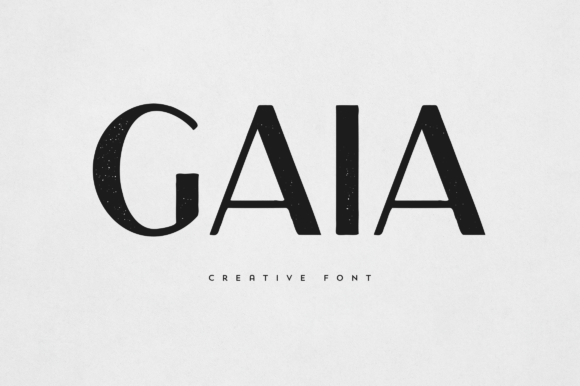
At its core, Gaia is a sans serif, but it refuses to be categorized as merely "clean" or "minimal." While it maintains the legibility required for modern digital interfaces, it introduces subtle character traits that set it apart. The letterforms exhibit a gentle geometry, avoiding the harsh rigidity often found in industrial sans serifs like Helvetica or Arial. There is an organic flow to the curves and terminals that feels contemporary yet timeless.
This font is designed to enchant. Whether you are crafting a minimalist logo, developing a comprehensive brand identity, or setting a bold headline, Gaia adapts to the context. It possesses that elusive quality of being neutral enough to not clash with other design elements, yet distinct enough to leave a lasting impression. It is this versatility that makes it a powerful tool in any designer's arsenal.
The Anatomy of Versatility
Why do designers obsess over versatility? Because in the modern workflow, a single typeface often needs to perform multiple roles. A brand might use the same font for a billboard headline, a mobile app interface, and a printed business card. Gaia handles this complexity with grace.
- Headlines and Logos: When used at larger scales, the elegance of Gaia becomes apparent. The spacing and weight distribution allow for strong visual hierarchy. It commands attention without being aggressive, making it perfect for hero sections and branding marks.
- Body Text and Plain Text: Many decorative fonts fail when reduced in size, becoming illegible or muddy. Gaia, however, retains its clarity. The open apertures and distinct shapes of letters like 'a', 'e', and 'g' ensure that long-form reading remains comfortable. This makes it a viable option for blog posts, product descriptions, and corporate reports.
- UI and Web Design: In user interface design, readability is king. Gaia’s clean structure ensures that buttons, menus, and labels are instantly recognizable, improving the overall user experience.
Integrating Gaia into Modern Workflows
The life of a modern creative professional is fast-paced. You might be switching between Adobe Illustrator, Figma, and a content management system within the same hour. A font like Gaia fits seamlessly into this environment. Its file structure is optimized for web performance, ensuring that using it on a live site doesn't drag down loading speeds—a critical factor for SEO and user retention.
Consider the scenario of a startup launching a new eco-friendly product. They need a brand identity that feels natural, trustworthy, and modern. Using a heavy, blocky industrial font might feel too harsh. Using a script font might feel too casual. Gaia strikes the perfect balance. It suggests sustainability and clarity. By applying Gaia to their packaging and website, the brand creates a cohesive visual story that resonates with their target audience.
Practical Benefits for Branding and Identity
Branding is more than just a logo; it is the feeling a customer gets when they interact with your business. Typography plays a massive role in this psychological trigger. Gaia offers several practical benefits for building a robust brand identity:
- Distinctiveness: In a market saturated with generic fonts, using Gaia helps a brand stand out. It avoids the "template" look that plagues many DIY websites and presentations.
- Emotional Connection: The "enchanting" quality of the font creates a positive emotional response. It feels approachable and sophisticated, traits that are desirable for lifestyle brands, fashion labels, and creative agencies.
- Consistency: Because Gaia is versatile enough for both print and digital, brands can maintain a consistent voice across all channels without needing to purchase multiple font families.
Choosing the Right Font: Factors to Consider
Before adopting any new typeface, including Gaia, it is wise to evaluate how it fits your specific needs. While Gaia is highly adaptable, the context of your project should dictate your choice.
First, consider your target audience. If you are designing for a corporate finance firm, you might need something with a bit more gravitas. However, for creative portfolios, tech startups, or boutique retail, Gaia is an exceptional choice. Second, look at your existing design elements. Does the font harmonize with your color palette and imagery? Gaia’s neutral-warm tone pairs beautifully with both vibrant colors and muted earth tones.
Finally, think about legibility requirements. Always test the font at the specific sizes you plan to use it. Print out a sample or view it on different mobile devices. Gaia generally performs well across mediums, but due diligence ensures your final product is flawless.
The Role of Typography in User Experience
We often separate "design" from "usability," but in typography, they are one and the same. A beautiful font that is hard to read is a failed design. Gaia succeeds because it prioritizes the reading experience. The characters are well-spaced, preventing the "crowding" effect that causes eye strain.
When users land on a webpage, they scan before they read. The visual texture of the text—created by the font choice—determines if they stay or bounce. Gaia creates a smooth, inviting texture. It reduces cognitive load, allowing the reader to focus on the content rather than struggling to decipher the characters. This subtle improvement in user experience can lead to longer session durations and better conversion rates.
Tips for Getting the Most Out of Gaia
To truly harness the power of this sans serif font, a few best practices can be applied.
- Pairing: Gaia pairs exceptionally well with classic serifs or even handwritten scripts for contrast. Use Gaia for the headlines to maintain modernity, and pair it with a serif font for body text to add a touch of tradition, or vice versa.
- Whitespace: Because of its elegant structure, Gaia loves whitespace. Don’t crowd it. Give the letters room to breathe, and the typographic design will look significantly more expensive and professional.
- Weight Usage: Experiment with the font weights. A "Light" weight can look incredibly chic for luxury branding, while a "Bold" weight provides the necessary punch for call-to-action buttons.
A Tool for the Future
Design trends come and go, but well-crafted typography endures. Gaia is not just a fleeting trend; it is a tool built for longevity. Its blend of elegance and functionality ensures that designs created today will still look fresh and relevant years from now. Whether you are a seasoned graphic designer or a business owner managing your own website, incorporating Gaia into your toolkit is an investment in the quality and impact of your visual communication.