Delight Script: A Practical Guide to Its Elegance and Use Cases
When searching for a typeface that balances personality with professionalism, designers often find themselves navigating a landscape of endless options. Among the myriad of script and display fonts, Delight Script emerges as a distinct contender, offering a blend of calligraphic elegance and modern functionality. This font family is not merely a collection of letters; it is a design system crafted to bring a sense of sophistication and warmth to a wide array of creative projects. Understanding its core characteristics, strengths, and ideal applications is essential for any designer or brand looking to make an informed typographic choice.
Understanding the Delight Script Font Family
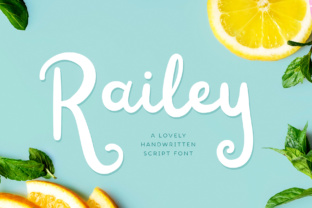
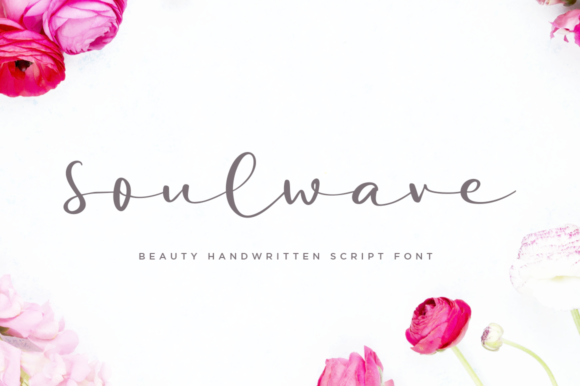
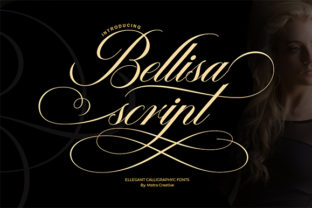
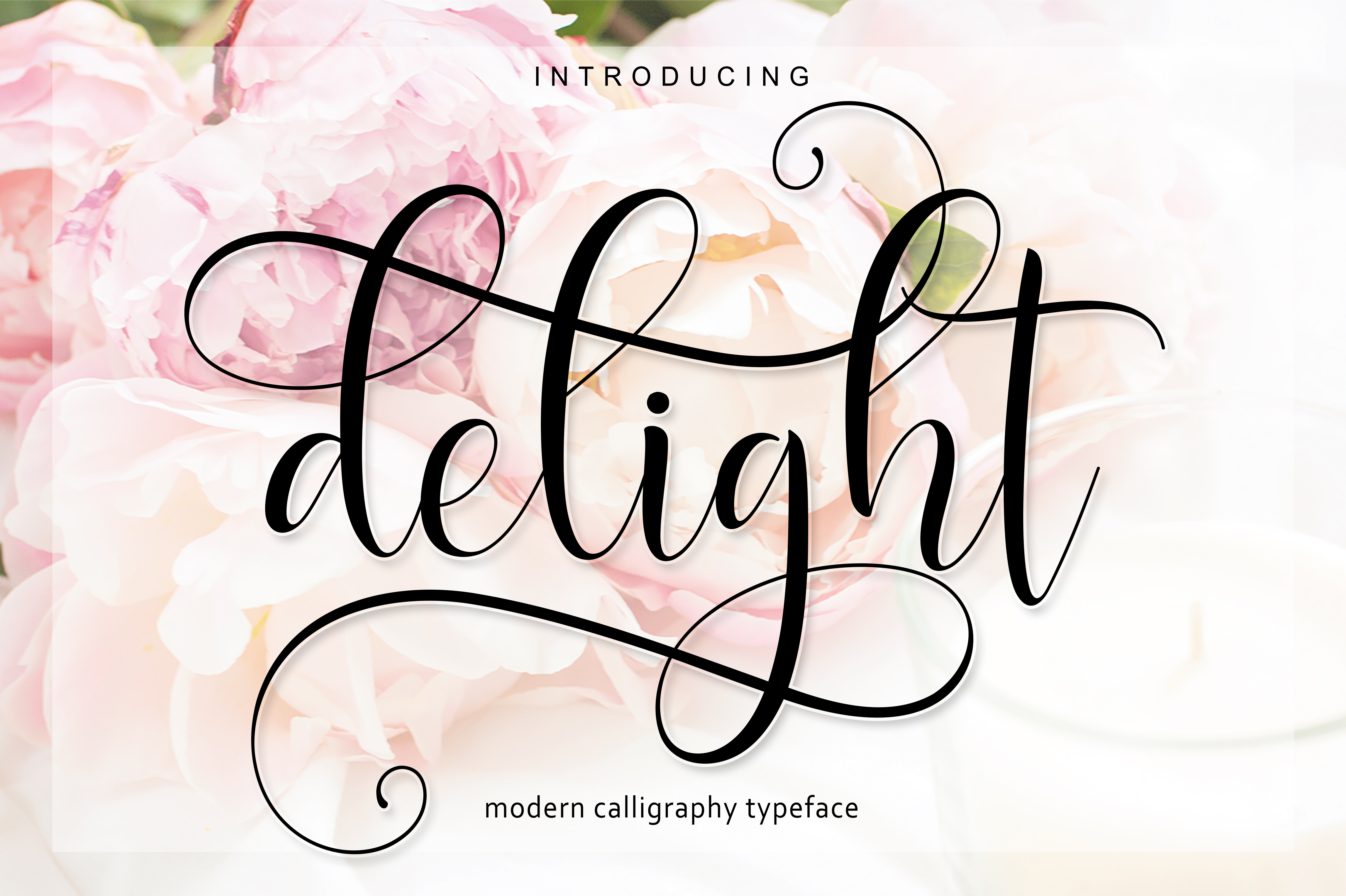
At its heart, Delight Script is a modern calligraphy typeface. It draws inspiration from traditional hand-lettering but is refined for contemporary digital use. The strokes exhibit a natural, flowing rhythm, with elegant swashes and a balanced weight that avoids looking overly formal or stiff. What truly sets Delight Script apart, however, is its remarkable legibility. Many decorative scripts sacrifice readability for flair, but this font maintains clear letterforms even at smaller sizes, making it versatile for both headlines and shorter body text in specific contexts.
A key feature that expands its utility is the inclusion of a complementary sans serif style within the same font family. This is a significant advantage for designers seeking cohesion. Using Delight Script for a headline paired with its own sans serif counterpart for body text creates a harmonious and fully realized design system without the guesswork of finding matching fonts from different sources. This built-in pairing streamlines the design process and ensures visual consistency across all brand touchpoints.
Evaluating Strengths and Potential Tradeoffs
No typeface is universally perfect, and Delight Script is no exception. Evaluating its strengths against potential limitations helps clarify its best-fit scenarios.
Key Strengths
- Visual Appeal and Uniqueness: The font possesses a high degree of visual charm. Its flourishes and connected letterforms convey a sense of craftsmanship, luxury, and personal touch that generic sans serifs cannot replicate.
- Excellent Legibility for a Script: Compared to many ornate calligraphy fonts, Delight Script prioritizes clarity. This makes it suitable for applications where a decorative feel is needed but misreading is not an option, such as on packaging or invitation cards.
- Built-in Design System: The inclusion of a matching sans serif is a major practical benefit. It solves the common problem of font pairing, saving time and reducing the risk of visual discord.
- Versatility in Application: Its elegant yet approachable style allows it to work across various projects, from wedding stationery and boutique branding to social media graphics and editorial layouts.
Potential Tradeoffs
- Context Dependency: The very elegance that makes it appealing can feel out of place in contexts demanding stark minimalism or high-tech modernity. It is a font with personality, which means it communicates a specific tone that may not align with every brand voice.
- Long Text Limitations: While legible for short passages, using Delight Script for extensive body copy (like blog posts or reports) can cause eye strain. Its decorative nature is best reserved for headlines, pull quotes, or accent text.
- Overuse Risk: Like any distinctive font, overuse can dilute its impact. If every element on a page is set in Delight Script, the design can quickly become cluttered and lose its intended elegance.
How Delight Script Compares to Other Typographic Options
When evaluating Delight Script, it's useful to consider it within the broader category of script and decorative fonts. It occupies a middle ground between highly formal, traditional scripts and casual, hand-drawn lettering.
Compared to very formal scripts (often resembling copperplate or engraving), Delight Script feels more accessible and less rigid. It avoids the extreme thinness and sharp contrasts of some formal scripts, which can sometimes appear distant or overly ornate. On the other hand, when placed against very casual, brush-style scripts, Delight Script presents a more polished and intentional aesthetic. It looks less like a spontaneous doodle and more like a carefully crafted design element.
The decision between Delight Script and a simpler, geometric sans serif is largely about the desired emotional response. A clean sans serif communicates modernity, efficiency, and neutrality. Delight Script, in contrast, communicates warmth, artistry, and a personal connection. The choice isn't about which is better, but about which better serves the project's goals and the audience's expectations.
Practical Applications and Decision Factors
Determining if Delight Script is the right choice involves a clear-eyed assessment of the project's needs, audience, and medium.
When Delight Script is Likely a Strong Fit
- Branding for Boutique Businesses: For businesses like bakeries, florists, wedding planners, artisanal product makers, or independent consultants, Delight Script can instantly convey a sense of bespoke quality and personal care. It helps build a brand identity that feels human and approachable.
- Event Stationery and Invitations: Wedding invitations, gala programs, and special event materials are classic use cases. The font's elegance elevates the perceived value and sets a celebratory tone.
- Editorial and Packaging Design: In magazine layouts, Delight Script can be used for feature titles or pull quotes to add visual interest. On product packaging, especially for cosmetics, gourmet foods, or luxury goods, it helps differentiate the product on the shelf.
- Digital Media with a Personal Touch: For social media graphics, email headers, or blog post titles where a brand wants to inject personality and stand out from the corporate noise, this font can be very effective.
When You Might Need a Different Solution
- Technical or Corporate Communications: For annual reports, whitepapers, or corporate websites where clarity and a tone of serious authority are paramount, a neutral sans serif or a traditional serif font is usually more appropriate. Delight Script could undermine the desired impression of stability and data-driven professionalism.
- User Interface (UI) and Extensive Digital Text: In app interfaces or websites with large blocks of text, readability and scanability are critical. A clean, web-optimized sans serif will almost always perform better for body copy. Delight Script could be used sparingly for a logo or a single call-to-action button, but not for navigation or instructions.
- Projects Requiring High-Volume Printing at Small Sizes: While legible for a script, at very small point sizes in mass-printed materials (like detailed product descriptions on a label), the flourishes may become unclear. A simpler, more robust typeface would be a safer choice.
Making an Informed Typographic Choice
Ultimately, selecting a font like Delight Script is a strategic decision. It should be chosen not just because it looks beautiful, but because it effectively communicates the intended message to the target audience. The built-in sans serif companion makes it a practical starting point for building a complete visual identity, but designers should always test it in context.
Before committing, consider creating mockups. Place Delight Script headlines next to your body copy, view it on different screens, and print it at the intended size. Ask yourself: Does this font align with the brand's personality? Does it enhance the user's experience, or does it create a barrier to comprehension? Does it stand out appropriately within its competitive landscape?
By answering these questions, you move beyond aesthetic preference and into the realm of effective design strategy. Delight Script offers a compelling tool for adding elegance and personality, but its true value is realized only when deployed thoughtfully within the right context, for the right audience, and with a clear understanding of its strengths and boundaries.