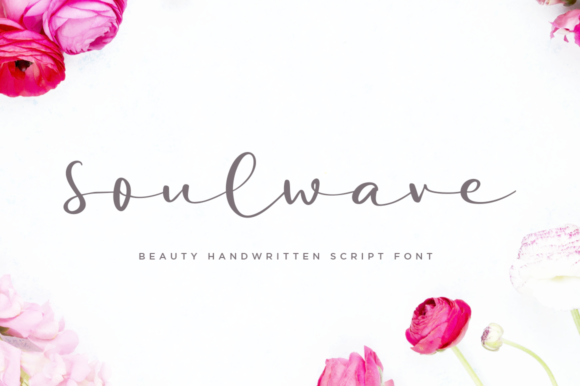
Understanding Soulwave: A Guide to Its Elegance and Practical Application
In the vast ecosystem of digital typography, selecting the right font is often less about finding the "best" design and more about finding the right match for a specific emotional frequency. Among the myriad of handwritten and script styles available to designers today, Soulwave has carved out a distinct niche. It is not merely a collection of letters; it is a stylistic tool defined by its delicate, flowing nature. For adults involved in creative projects, branding, or event planning, understanding the nuances of a typeface like Soulwave is essential for making an informed decision.
This article provides a balanced evaluation of Soulwave, exploring its aesthetic qualities, practical applications, and how it compares to other typographic categories. The goal is to help you determine if this font aligns with your creative vision or if an alternative approach might better serve your needs.
The Anatomy of Soulwave: Defining the Style
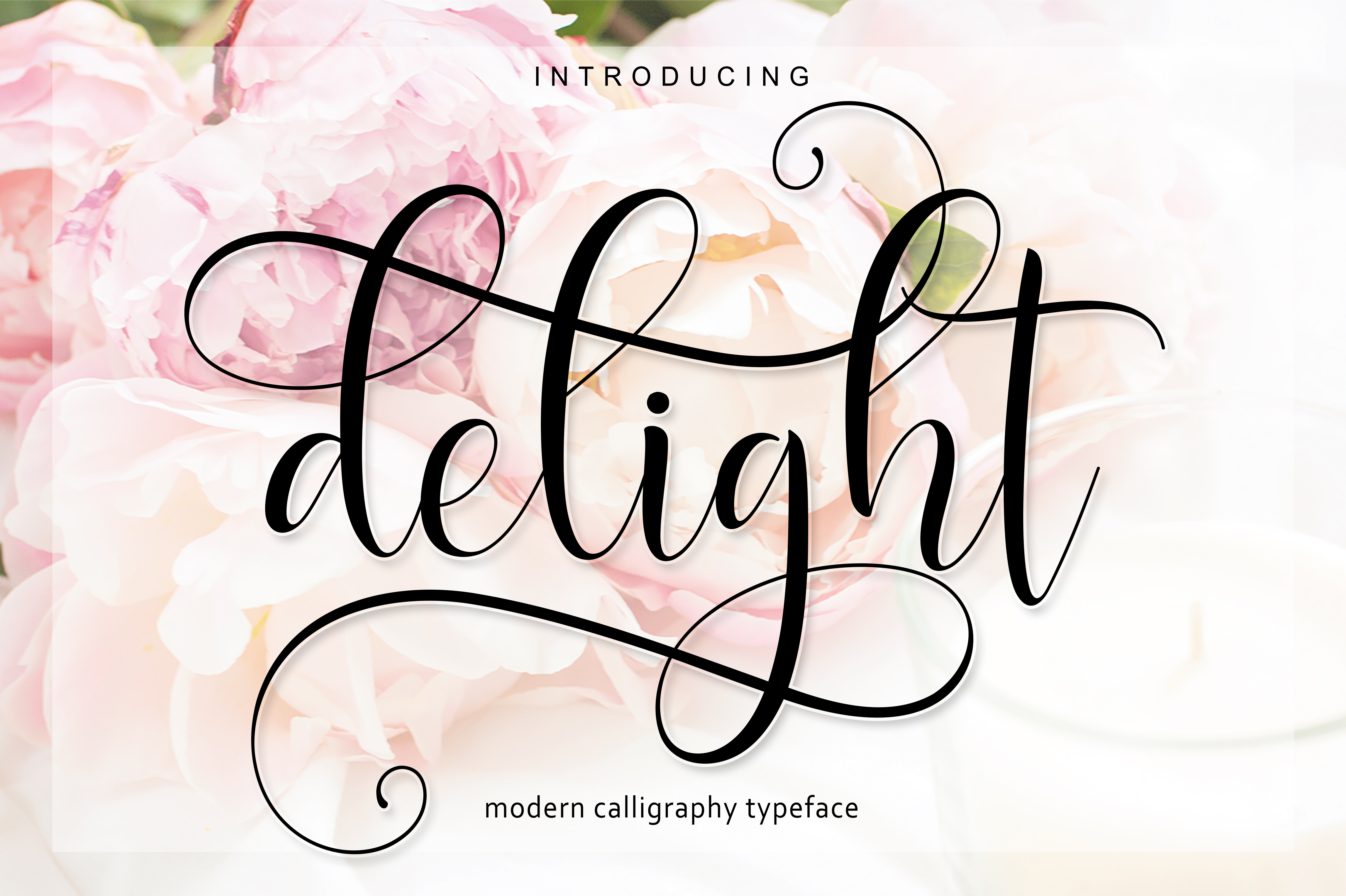
At its core, Soulwave is categorized as a delicate and elegant handwritten font. However, these descriptors often get overused in the design world. To be specific, Soulwave distinguishes itself through a combination of fluidity and balance. Many handwritten fonts suffer from two common issues: they are either too rough and chaotic, making them difficult to read, or they are too rigid, losing the organic feel of actual handwriting.
Soulwave attempts to bridge this gap. Its characters are well-balanced, meaning the weight of the strokes is consistent enough to create a harmonious look, yet varied enough to mimic the pressure changes of a real pen. This creates a visual rhythm that feels natural rather than mechanical.
Key Visual Characteristics
- Flowing Ligatures: The connections between letters are smooth, allowing the eye to glide across the text without abrupt stops.
- Elegant Ascenders and Descenders: The parts of the letters that go above and below the main line (like in 'h' or 'y') are styled with grace, contributing to the font's airy feel.
- Well-Balanced Spacing: The internal spacing (kerning) is generally calibrated to ensure legibility, even with the cursive style.
This combination makes Soulwave a typeface that feels "alive." It possesses a personality that is friendly and approachable, yet sophisticated enough to avoid looking childish or amateurish.
Comparative Analysis: Soulwave vs. Other Typographic Categories
When evaluating resources for a design project, it is helpful to compare a specific tool against broader categories to understand where it fits. Typography can generally be divided into Serif (traditional), Sans Serif (modern/clean), and Script/Handwritten (expressive).
Soulwave and the "Clean" Handwritten Category
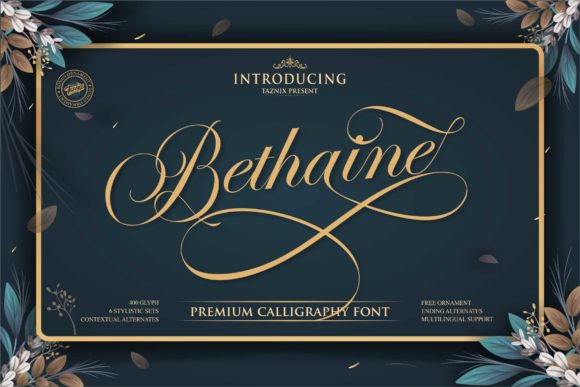
Not all handwritten fonts are created equal. Some fall into the "grunge" category, featuring rough edges and ink splatters. Others are "brush scripts," which are bold and energetic. Soulwave sits in a more refined sub-category. It is closer to a modern calligraphy style but with a lighter touch.
The Tradeoff: If you need a font that conveys raw, gritty energy or high-impact urgency (like for a rock band poster or a streetwear brand), Soulwave may feel too polite. Its strength lies in sophistication, not aggression. Conversely, if you need something for a legal document or a technical manual, Soulwave is entirely inappropriate due to its decorative nature.
Comparison with Standard Serif Fonts
Traditional Serif fonts (like Times New Roman or Garamond) are the workhorses of long-form text. They are designed for maximum readability in dense blocks of text. Soulwave is the antithesis of this. While a Serif font conveys authority and tradition, Soulwave conveys personality and warmth.
When deciding between the two, consider the authority required. A Serif font says, "We are established and serious." Soulwave says, "We are creative and personal." For a corporate annual report, choose the Serif. For a personal blog header or a lifestyle brand logo, Soulwave is a strong contender.
Strengths and Limitations: A Practical Evaluation
No single typeface is a universal solution. To use Soulwave effectively, one must understand both where it excels and where it falls short.
Where Soulwave Excels
The primary strength of Soulwave is its versatility within the "creative" and "lifestyle" sectors. Because it is well-balanced, it does not overwhelm the viewer. It serves as an excellent accent font.
- Wedding and Event Stationery: The elegant flow makes it ideal for invitations, save-the-dates, and place cards. It mimics high-end engraving without the cost.
- Logo Design for Service Industries: For businesses like photography studios, florists, boutique clothing stores, or cafes, Soulwave offers a "signature" look that feels bespoke.
- Social Media Quotes: On platforms like Instagram or Pinterest, where visual appeal is paramount, the delicate nature of the font makes quotes look aesthetic and shareable.
- Product Packaging: For artisanal goods (soaps, candles, chocolates), the font suggests that the product inside is handmade and crafted with care.
The Limitations to Consider
The very features that make Soulwave beautiful can become liabilities in the wrong context.
- Scalability Issues: Because Soulwave is "delicate," the strokes can be thin. If you scale this font down to very small sizes (such as 8pt body text or fine print on a label), it may become difficult to read or disappear entirely on low-resolution screens.
- Background Complexity: Flowing, light fonts require breathing room. Placing Soulwave over a busy photograph or a high-contrast pattern can render it illegible. It requires solid or gently blurred backgrounds to shine.
- Case Sensitivity: Like many script fonts, Soulwave often looks best in Title Case or lowercase. Using ALL CAPS with a flowing handwritten font can look disjointed and aggressive, breaking the elegant illusion.
Decision Factors: Is Soulwave the Right Choice?
When you are researching options for your next project, the decision to use Soulwave should be based on a specific set of criteria. Here is a framework to help you evaluate the fit.
Choose Soulwave When...
- The "Vibe" is Personal: You are trying to bridge the gap between the creator and the consumer. You want the audience to feel like a human made this, not a corporation.
- It is an Accent, Not the Body: You are looking for a headline, logo, or pull quote. You have a clean, readable sans-serif or serif font for the main body text.
- You Need Elegance Without Stiffness: Traditional calligraphy can sometimes feel old-fashioned or overly formal (like a royal decree). Soulwave offers that same elegance but with a modern, relaxed twist.
Consider an Alternative When...
- Accessibility is a Priority: If your audience includes older adults or those with visual impairments, the varying stroke widths of Soulwave may present a barrier. In this case, a humanist sans-serif is a better, more inclusive choice.
- The Brand is Tech-Forward: If you are designing for a SaaS company, a fintech app, or a gaming platform, the organic nature of Soulwave may clash with the digital, geometric aesthetic typically associated with those industries.
- You Need Heavy Weight: If you require a "bold" impact, Soulwave may not deliver. It relies on grace rather than force.
Practical Application and Pairing
If you decide that Soulwave fits your vision, the next step in your evaluation process is considering how it interacts with other design elements. A font rarely exists in a vacuum.
Pairing Strategies
To maximize the effectiveness of Soulwave, contrast is key. Since Soulwave is organic and flowing, it pairs best with something structured and neutral.
- With Sans-Serif: Pairing Soulwave with a clean, geometric Sans-Serif (like Montserrat or Lato) creates a modern, trendy aesthetic. The Sans-Serif handles the heavy lifting of information, while Soulwave adds flair.
- With Serif: Pairing Soulwave with a classic Serif can create a "luxe" look, often seen in fashion editorial layouts.
Avoid pairing Soulwave with other decorative or handwritten fonts. Combining two "star" players usually results in visual chaos and a lack of hierarchy.
Color and Spacing
Because Soulwave has a delicate structure, it is sensitive to color contrast. It performs best in high-contrast scenarios (e.g., dark grey on white) or soft, monochromatic palettes (e.g., blush pink on cream). Avoid neon colors or stark black-on-white if you want to maintain the soft, "soulful" vibe of the typeface.
Furthermore, give the letters room to breathe. Increasing the tracking (letter-spacing) slightly can often enhance the legibility and elegance of the font, preventing the tails of the 'y' and 'g' from crashing into the following letters.
Conclusion: The Verdict on Soulwave
Soulwave is a specialized tool in the typographer’s kit. It is not a workhorse for general text, nor is it a solution for high-tech or gritty aesthetics. However, for the right project, it offers a value that few other fonts can match: the ability to make a digital design feel human, elegant, and alive.
For adults evaluating design resources, the choice comes down to intent. If your intent is to communicate warmth, creativity, and a personal touch, Soulwave is a robust option that balances beauty with functionality. By understanding its strengths in branding, stationery, and social media—and acknowledging its limitations in readability and scalability—you can make a confident decision that elevates your creative ideas.