Nugia Vintage: Evaluating a Retro Serif for Modern Design
In the search for typography that conveys a specific mood or era, designers often turn to typefaces that embody a distinct historical aesthetic. Nugia Vintage is a retro-styled serif font that has entered the conversation, offering a blend of 1970s grooviness with traditional typographic elements. This article provides a balanced examination of the font, its applications, and the considerations designers should weigh when selecting it for a project.
Understanding the Design and Aesthetic
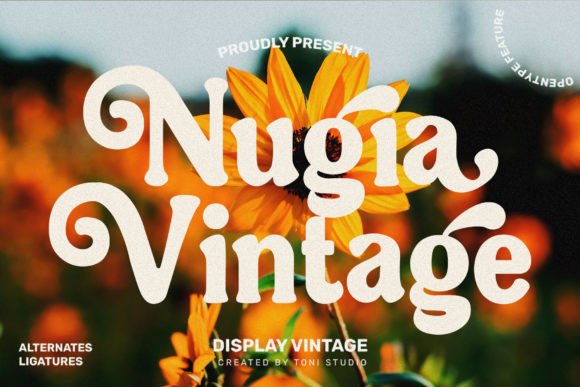
Nugia Vintage is characterized by its bold, curvaceous letterforms. Its design directly references the popular graphic styles of the 1970s, featuring rounded terminals and a substantial weight that commands attention. The serifs, while present, are not rigid or overly formal. Instead, they are integrated smoothly into the overall flow of the characters, giving the font a friendly yet grounded appearance. This combination allows it to straddle the line between a playful retro vibe and a certain typographic authority.
The font's intended application is clear from its name and design. It is built to evoke nostalgia. Consequently, it fits naturally into projects that aim for a vintage or mid-century modern feel. Think of old record covers, classic movie posters, or the branding of a 1970s-era product. For designers working on mood boards that reference these periods, Nugia Vintage can serve as a strong foundational element, providing an immediate sense of time and place.
Evaluating Strengths and Practical Applications
The primary strength of a font like Nugia Vintage is its expressive character. When used effectively, it can do much of the heavy lifting in establishing a project's tone. This can be a significant advantage in several scenarios:
- Logo and Branding: For businesses that want to project a retro, artisanal, or nostalgic identity—such as a craft brewery, a vintage clothing store, or a specialty coffee shop—Nugia Vintage can be a compelling choice for a wordmark or headline. Its personality helps the brand feel instantly recognizable and distinct.
- Event and Poster Design: In contexts like music festival posters, theater productions, or themed event invitations, the font can quickly communicate the genre or era. Its bold curves ensure readability at larger sizes, making it suitable for headers and titles that need to grab attention from a distance.
- Editorial and Packaging: For magazine headlines, book titles, or product packaging aiming for a retro aesthetic, Nugia Vintage can add a layer of authenticity. It pairs well with simpler sans-serifs for body copy, creating a clear hierarchy that is both functional and stylistically cohesive.
Key Considerations and Potential Tradeoffs
While the stylistic appeal of Nugia Vintage is evident, its suitability depends entirely on the project's goals and context. A critical evaluation requires considering potential limitations.
The most significant tradeoff is specificity. A font with such a strong retro identity can feel anachronistic or out of place in a design meant to feel contemporary, minimalist, or corporate. Using it for a fintech app or a serious legal document would likely create a jarring disconnect with the content. Its strength—its evocative character—becomes a weakness when the design brief calls for neutrality.
Another consideration is versatility. Nugia Vintage is designed for impact, typically at display sizes. Using it for long paragraphs of body text is generally not advisable, as its high-contrast curves and serifs can reduce readability in dense blocks of text. The font's effectiveness diminishes if it is forced into a role it wasn't designed for, such as fine print or lengthy captions.
Finally, there is the question of trend and longevity. Design trends are cyclical, and while retro styles enjoy periodic revivals, they can also feel dated if not contextualized carefully. A designer must ask whether the nostalgic reference is central to the brand's long-term identity or if it might feel like a passing fad in a few years.
Decision-Making: When to Choose Nugia Vintage
Deciding whether Nugia Vintage is the right fit involves a practical assessment of your project's needs. It is likely a strong candidate if:
- Your core creative direction is explicitly rooted in 1970s or retro aesthetics.
- The font will be used primarily for headlines, logos, or other short-form, high-impact text.
- You need to establish a nostalgic or groovy mood quickly and unmistakably.
- You are prepared to pair it with a complementary, more neutral font for body copy to ensure overall readability.
Conversely, you should explore alternatives if:
- Your project requires a timeless, neutral, or ultra-modern typographic voice.
- Readability for extended reading is the top priority.
- The design needs to feel fresh and forward-looking rather than referential to the past.
- Brand guidelines already specify a different typographic style that would conflict.
Conclusion: Aligning Font with Function
Nugia Vintage is a specialized tool. Its value lies not in being a universal solution, but in its ability to solve a specific design problem: the need for authentic, bold, retro-styled typography. The font delivers on its promise of a groovy, nostalgic vibe with traditional serifs. The key for any designer or brand considering it is to ensure that this specific vibe aligns perfectly with the project's communication goals. By evaluating its strengths against the practical tradeoffs of specificity and versatility, you can make an informed decision on whether Nugia Vintage is the right character for your next creative endeavor.