Rain: The Handwritten Font for Every Creative Project
A Font That Feels Like a Conversation
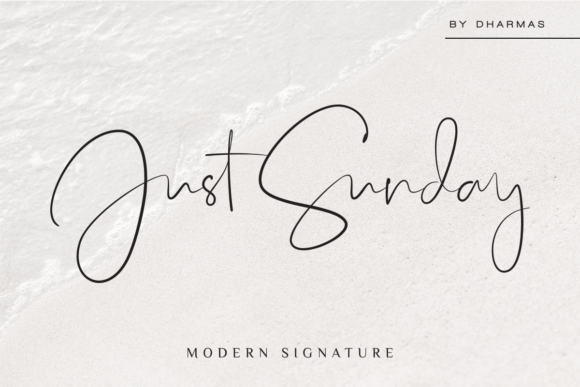
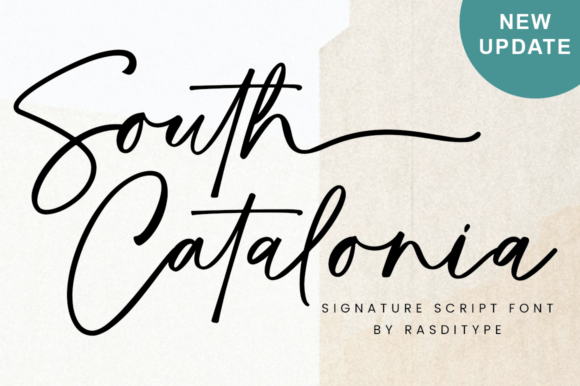
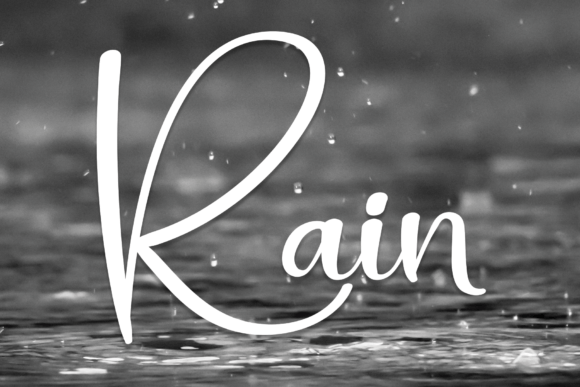
Finding the right typeface often feels like searching for a specific tone of voice. You need something that communicates warmth, authenticity, and approachability without sacrificing clarity. That is exactly where the Rain font steps in. It is a simple, friendly handwritten style that manages to be versatile enough for professional branding yet personal enough for a homemade greeting card. Unlike overly stylized scripts that can become illegible, Rain strikes a balance between casual charm and functional design. It captures the organic imperfections of human handwriting, offering a refreshing alternative to the rigid geometry of standard sans-serifs.
When you integrate Rain into your toolkit, you are not just adding a file to your font library; you are adopting a design asset that adapts to context. Whether you are a freelancer pitching a concept to a client or a hobbyist scrapbooking a family vacation, this font provides a cohesive visual language. It speaks to the viewer immediately, signaling that the content is personal and curated. In a digital landscape saturated with cold, corporate aesthetics, the warmth of a handwritten font can be a powerful differentiator. It invites the audience to pause and engage, rather than just scroll past.
Practical Applications for Digital Designers
For digital creators, the utility of Rain extends far beyond simple text placement. It is a powerful tool for creating visual hierarchy and breaking up dense blocks of information. Consider a website landing page: using a standard serif for body text is necessary for readability, but using Rain for subheadings or pull quotes adds a layer of personality. It draws the eye to key takeaways without the need for bright colors or oversized graphics. This approach works exceptionally well for lifestyle blogs, wellness sites, and boutique e-commerce stores where the brand identity relies heavily on a "human" touch.
Social media managers will also find Rain indispensable for creating thumb-stopping content. Instagram stories and Pinterest pins often rely on text overlays to convey a message quickly. A handwritten font feels native to these platforms, which are built on personal connection. You can use Rain to annotate photos, create faux-handwritten notes for your followers, or design "sale" tags that feel less aggressive than bold, blocky typography. Because the font remains legible at various sizes, it ensures that your message is delivered clearly, regardless of whether the viewer is on a mobile device or a desktop.
Enhancing Physical Crafts and Print Media
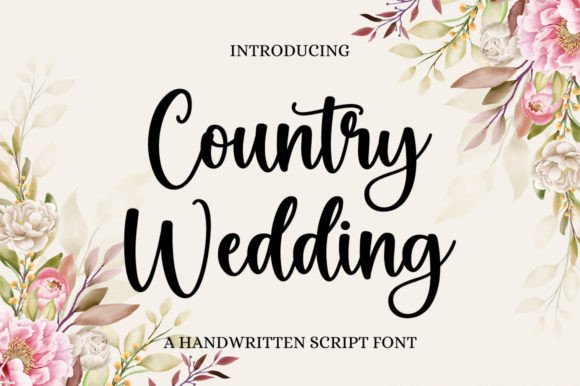
The utility of Rain is not limited to pixels on a screen. It translates beautifully into the physical world, particularly for stationery and event planning. If you are designing wedding invitations, Rain offers a romantic yet modern aesthetic. It pairs well with floral illustrations or minimalist line art, providing a script that is easy to read but retains the elegance of calligraphy. For small business owners, packaging design is another area where this font shines. Imagine a coffee bag or a candle label; using Rain for the flavor name or a short description adds a layer of artisanal quality that suggests the product was crafted with care.
Educators and parents can also leverage this font for learning materials. Worksheets, flashcards, and classroom posters often benefit from a handwritten style that feels less intimidating to young learners. The friendly curves of the letters in Rain make it approachable, which can help reduce anxiety when children are practicing their own writing. Furthermore, for personal projects like journaling or creating custom planners, printing headers and dates in this font can streamline the design process while maintaining a cohesive, notebook-like aesthetic.
Strategic Pairing and Layout Tips
To get the most out of Rain, it is essential to understand how to pair it with other typefaces. Because it is a handwritten font, it carries a lot of visual texture. Pairing it with another highly decorative font can result in a chaotic, unreadable layout. Instead, opt for a clean, neutral sans-serif like Helvetica, Open Sans, or Lato for your body text. This contrast allows Rain to serve as the accent color in your typographic palette. The sans-serif provides the structure and legibility, while Rain provides the emotion and emphasis.
Spacing is another critical factor when working with handwritten styles. While Rain is designed to be legible, adjusting your tracking (letter spacing) and leading (line height) can significantly improve the final result. Handwritten fonts often benefit from slightly looser tracking than their blocky counterparts, as this prevents the letters from clashing into one another. When using Rain for headlines, ensure there is enough breathing room around the text so that the organic shapes of the letters can be fully appreciated.
Adapting Rain for Different Audiences
One of the strongest features of Rain is its ability to adapt to different audience expectations depending on the context. For a corporate presentation, you might use it sparingly—perhaps only for a closing "Thank You" slide or to highlight a testimonial quote. This small touch can soften a rigid business proposal, making the presenter appear more relatable. Conversely, for a children’s book author or a greeting card designer, Rain can be the primary font, setting the entire tone of the project. The key is to match the font's weight to the formality of the situation.
Consider the color palette as well. Rain works exceptionally well with earth tones, pastels, and muted colors, reinforcing its natural, organic vibe. However, it can also hold its own against high-contrast backgrounds if used in a bold weight. For entrepreneurs building a personal brand, consistency is key. Once you decide to use Rain for specific elements—like Instagram captions or email headers—stick with it. This repetition builds brand recognition, allowing your audience to instantly associate the friendly, handwritten style with your unique voice.
Maintaining Originality in a Template World
In an era where many designs rely on pre-made templates, using a font like Rain helps inject originality into your work. It is easy to spot a generic Canva template from a mile away, but swapping the default font for a high-quality handwritten option immediately elevates the design. It signals to your audience that you have put thought into the presentation. However, remember that a font is a tool, not a solution. The effectiveness of Rain depends on how you use it.
Avoid the temptation to use it for long paragraphs of text. Handwritten fonts are best enjoyed in short bursts. Use them for headers, call-to-action buttons, or short slogans. This ensures that the "special" nature of the font is preserved. If overused, even the friendliest font can lose its impact and become tiring to read. By treating Rain as an accent rather than the foundation, you ensure that your designs remain fresh, effective, and engaging for the long term.
Ultimately, Rain is more than just a collection of glyphs; it is a bridge between the digital and the personal. It allows creators to infuse their work with a sense of humanity that resonates across industries. Whether you are designing a logo, a wedding invite, or a social media campaign, this font offers a reliable, aesthetically pleasing way to communicate with warmth and clarity.