Reisenberg 2.0: A Practical Evaluation of the Updated Display Typeface
In the realm of typography, display fonts serve a distinct purpose compared to body text. They are designed to capture attention, establish a mood, and dominate visual real estate. When evaluating a typeface like Reisenberg 2.0, it is essential to look beyond aesthetic preference and analyze its technical utility and specific use cases. This update to the classic Reisenberg family aims to solve specific spacing and compatibility issues while maintaining the aggressive, heavy aesthetic that defines its character. For designers, content creators, and brand managers, understanding the capabilities of this font is key to determining if it aligns with project requirements.
Understanding the Core Characteristics
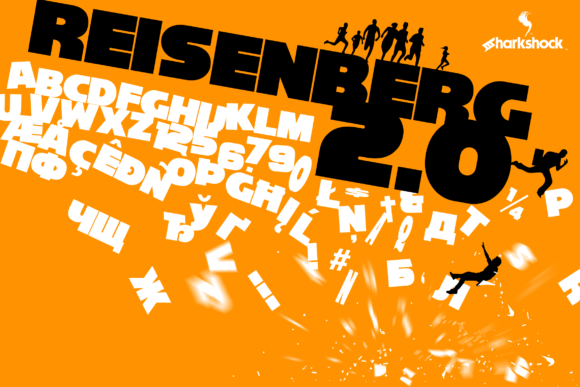
Reisenberg 2.0 is an all-caps display font defined by its broad, heavy strokes and tight spacing. The primary design philosophy centers on "taking a bite out of negative space." Unlike serif or sans-serif fonts intended for readability in long paragraphs, this typeface prioritizes visual impact and density. The "2.0" designation indicates more than a simple refresh; it represents a technical overhaul of the original design to meet modern digital standards.
The most immediate visual characteristic is the tight kerning. The characters are designed to interlock closely, creating a solid block of text. This makes it particularly effective for headlines where vertical and horizontal space is at a premium. However, this density also means that the font requires careful handling. Because the strokes are heavy and the spacing is tight, legibility can decrease if the font size is too small or if the background contrast is insufficient.
Technical Improvements and Glyph Updates
For users familiar with the original iteration, the 2.0 version offers significant technical improvements that broaden its usability. One of the most notable changes is the implementation of class kerning. This ensures that spacing between specific character pairs remains consistent and visually pleasing, which is critical when dealing with a tightly spaced design.
Furthermore, the update addresses language support, a common limitation in display fonts. Reisenberg 2.0 now includes a wider array of European accents and full Cyrillic support. This expansion makes the font a viable option for international branding campaigns or media packaging that targets multiple regions. Additionally, specific glyphs have been redrawn to improve their structural balance. For example, the uppercase "M" has been altered to better fit the aesthetic of the rest of the family without looking awkward or overly wide.
Evaluating the Tradeoffs: Impact vs. Flexibility
When deciding whether to implement Reisenberg 2.0, designers must weigh the tradeoff between high-impact visuals and flexibility. The font's strength lies in its ability to command attention. The broad strokes ensure that text is the focal point of any layout, making it a strong candidate for movie posters, sports logos, and media packaging.
However, this strength comes with limitations. Because it is an all-caps display font, it is not suitable for body copy or any text that requires sustained reading. The tight spacing, while visually striking, can become a liability if overused, potentially making a layout feel cluttered or heavy. It is also important to note that while the font includes many characters, designers should always check the glyph map before committing to a design to ensure specific symbols or numbers required for the project are supported.
Ideal Scenarios for Implementation
Reisenberg 2.0 is a strong fit for projects that require a bold, assertive voice. It works best in environments where text functions almost as a graphic element rather than mere information delivery. Consider using this font in the following scenarios:
- Entertainment Media: The heavy strokes are well-suited for movie posters, album covers, or video game titles where the typography needs to convey intensity or drama.
- Sports Branding: The aggressive spacing and weight align well with the energy of sports logos, team jerseys, or event banners.
- Short, Punchy Headlines: For web design or print ads, using Reisenberg 2.0 for short headers (three to five words) can create a strong visual hierarchy without overwhelming the viewer.
Situations Requiring Alternatives
While Reisenberg 2.0 excels in high-impact scenarios, there are situations where alternative typefaces would be more appropriate. If a project requires a softer, more approachable tone, the heavy, industrial nature of Reisenberg may feel too aggressive. In contexts requiring high legibility at small sizes—such as mobile UI elements, footnotes, or extensive signage systems—fonts with more open spacing and lower stroke contrast are superior choices.
Additionally, if the project requires extensive lowercase usage, designers must look elsewhere, as this family is strictly all-caps. For projects that need a similar weight but with more versatility, a heavy geometric sans-serif might offer a better balance between presence and readability.
Decision-Making Insights
To determine if Reisenberg 2.0 aligns with your goals, consider the "billboard test." If your design needs to be understood in a split second from a distance, this font is a contender. Evaluate the specific language requirements of your audience; if you require Cyrillic or specific European diacritics, the 2.0 update makes this a practical choice where the original was not.
Ultimately, the decision rests on the role typography plays in your design. If the font is a supporting actor, used to complement imagery, a lighter weight typeface is usually better. If the font is the star of the show, meant to dominate the composition and demand attention, Reisenberg 2.0 provides the technical refinements and visual weight necessary to execute that vision effectively.