Shabby: A Handwritten Font for Authentic and Elegant Design
In a digital landscape saturated with crisp, geometric sans-serifs and imposing slab serifs, the human touch often gets lost. Designers and creators frequently seek assets that can bridge the gap between professional polish and genuine warmth. Shabby is a sweet and cursive handwritten font designed specifically to fill that void. It is not merely a collection of letters; it is a typographic tool intended to infuse projects with a specific emotional resonance—joyful, romantic, and casually elegant.
The Core Characteristics of the Shabby Typeface
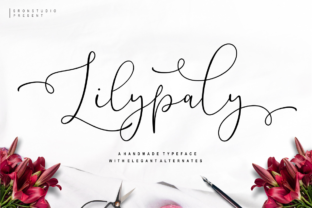
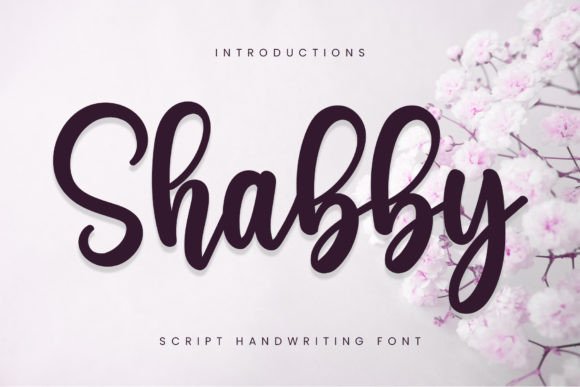
At its foundation, Shabby is defined by its fluidity. Unlike rigid standard fonts, Shabby mimics the natural flow of handwriting. The letterforms feature soft curves and a gentle baseline, creating a rhythm that feels organic rather than mechanical. This design choice makes it particularly effective for conveying intimacy and sincerity.
The visual weight of the font is balanced. It is light enough to feel airy and whimsical but possesses enough structure to remain legible at various sizes. This balance is crucial for a handwritten font; too thin, and it disappears on screen; too thick, and it loses its delicate charm. Shabby navigates this by maintaining consistent stroke widths that taper naturally at the terminals, mimicking the pressure variations of a pen on paper.
Visual Aesthetics and Design Language
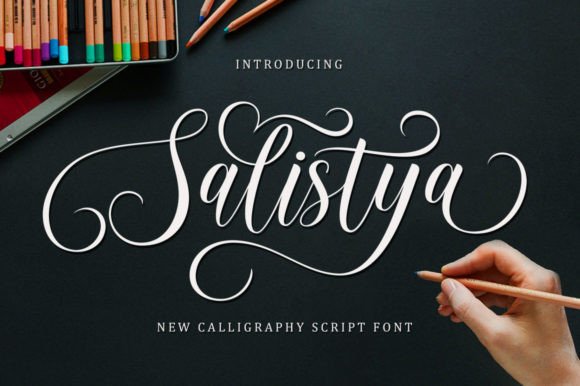
The aesthetic of Shabby leans towards a modern calligraphy style. It avoids the chaotic loops of traditional script fonts, opting instead for a cleaner, more contemporary cursive. This makes it accessible to a broader audience who may find older script styles difficult to read. The font’s personality is undeniably romantic, yet it retains a casual sophistication that prevents it from looking overly formal or stuffy.
Practical Applications and Use Cases
Evaluating a font’s utility requires looking at where it actually performs well in real-world scenarios. Shabby is not a universal solution for body text, nor is it intended to be. Its strengths lie in specific, high-impact applications where personality and tone are paramount.
Wedding Stationery and Event Invitations
One of the most natural fits for Shabby is in the wedding industry. Invitations, save-the-dates, and RSVP cards rely heavily on typography to set the mood. The gentle, romantic curves of Shabby provide an immediate sense of elegance and celebration. It pairs exceptionally well with clean sans-serif fonts for the details, allowing the headers to sing while the logistics remain legible.
Branding and Logo Design
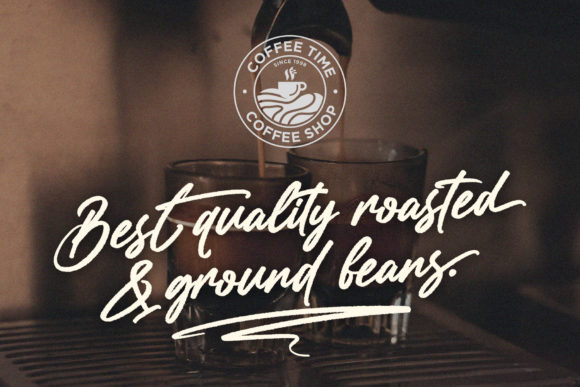
For small businesses, particularly those in the lifestyle, fashion, or artisanal sectors, branding is about storytelling. Shabby can be a powerful component of a brand identity for a boutique clothing line, a high-end bakery, or a lifestyle blog. It suggests that the brand is approachable, creative, and values the personal touch. However, it is important to ensure that the font aligns with the brand's longevity; trends in handwriting fonts can shift, but the timeless cursive nature of Shabby offers more staying power than overly trendy, distressed scripts.
Digital Marketing and Social Media
In the fast-scrolling environment of social media, grabbing attention is key. Shabby works effectively for overlay text on Instagram stories, Pinterest pins, and promotional banners. Its distinct style breaks the visual monotony of standard web fonts, drawing the eye to key messages or calls to action. It is particularly useful for quotes, testimonials, and sale announcements where a friendly, persuasive tone is needed.
Usability and Technical Performance
A font is only as good as its usability. Shabby has been crafted with versatility in mind, offering features that enhance its functionality in professional design software.
Legibility and Readability
While Shabby is decorative, it maintains a commendable level of legibility. The letter spacing is generous enough to prevent characters from blurring into one another, a common issue with connected scripts. It performs best at medium to large display sizes. For very small text—such as footnotes or lengthy disclaimers—a standard sans-serif is recommended, but for headlines and sub-headers, Shabby remains clear and readable.
Alternates and Ligatures
To avoid the "repetitive look" that can plague digital handwriting, Shabby often includes stylistic alternates. These are different versions of the same letter that can be swapped out to create a more authentic handwritten appearance. This feature is invaluable for designers looking to customize the text flow, ensuring that the final design looks bespoke rather than templated.
Who Benefits Most from Using Shabby?
Understanding the target user is essential for any creative asset. Shabby is best suited for individuals and professionals who need to convey warmth and personality without sacrificing professionalism.
- Graphic Designers: Those working on client projects for lifestyle brands, wedding planners, or feminine product lines will find Shabby to be a reliable asset in their toolkit.
- Bloggers and Content Creators: For creators looking to establish a distinct visual voice, Shabby helps differentiate their headers and graphics from the standard web defaults.
- Small Business Owners: Entrepreneurs DIY-ing their own marketing materials can use Shabby to add a level of perceived value and craftsmanship to their designs.
- Educators and Publishers: In contexts where engagement is key, such as children’s book covers or educational flyers, the friendly nature of the font can make content feel more approachable.
Strengths and Limitations
No design asset is perfect for every situation. A balanced assessment of Shabby reveals specific strengths and areas where caution is advised.
Key Strengths
- Emotional Resonance: It successfully communicates romance and joy, making it ideal for celebratory and lifestyle contexts.
- Modern Aesthetic: It feels current and fresh, avoiding the dated look of some older script fonts.
- Versatility: It works across print and digital media, from business cards to website hero images.
- Pairing Potential: It complements a wide range of neutral sans-serifs and serif fonts, making it easy to integrate into existing design systems.
Potential Limitations
- Context Sensitivity: Using Shabby for corporate finance or heavy industrial branding would likely feel incongruent. Its style is specific to lifestyle and personal niches.
- Overuse: As with any decorative font, using it for large blocks of text will hinder readability. It should be used as a highlight, not a workhorse.
- Font Loading: For web use, handwritten fonts can sometimes be heavier in file size than standard system fonts, requiring optimization for page speed.
Final Verdict: Is Shabby Right for Your Project?
Shabby is a thoughtfully designed typeface that delivers on its promise of adding a joyful and romantic touch. It is a practical choice for designers who need a reliable cursive font that balances elegance with casual charm. If your project requires a human element—something that feels personal, crafted, and warm—then Shabby is a strong candidate.
It is particularly recommended for branding projects where the goal is to connect emotionally with the audience. Whether you are designing a wedding suite, a boutique logo, or a social media campaign, the gentle curves and sweet disposition of Shabby provide a solid foundation for beautiful typography. By using it strategically and pairing it with complementary fonts, you can elevate the aesthetic of your work and ensure your message is not just seen, but felt.