The Art of Istanbul: Integrating Calligraphic Elegance into Modern Design Workflows
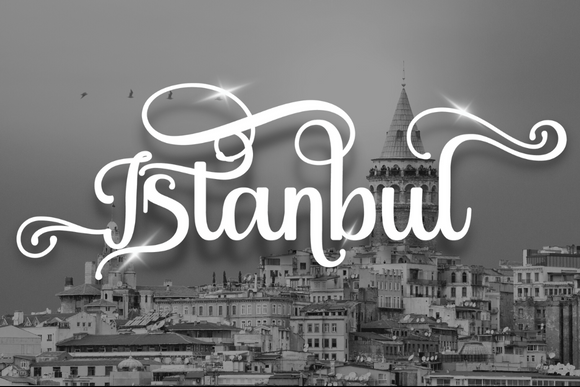
In the landscape of typography, selecting the right typeface is rarely just about aesthetics; it is a functional decision that dictates the tone, readability, and emotional resonance of a project. Istanbul is a typeface that commands attention not through loud, geometric rigidity, but through sharp, measured elegance. Defined by its slightly condensed characters and a rhythm inspired by the rich calligraphic universe of the city itself, this font bridges the gap between historical artistry and modern digital needs. For professionals ranging from graphic designers to marketing strategists, understanding how to leverage Istanbul effectively can transform a standard deliverable into a sophisticated visual narrative.
Understanding the DNA of Istanbul
Before integrating any asset into a production pipeline, a technical and aesthetic audit is necessary. Istanbul features a distinct "sharp lettering" style. Unlike rounded, sans-serif fonts that suggest approachability and casualness, the angular nature of Istanbul implies precision and intention. The characters are slightly condensed, which offers a practical advantage in layout design: it allows for more text per line without sacrificing the airy spacing required for romantic or poetic content.
The font’s measured rhythm is its defining characteristic. It does not race across the page; rather, it flows with a deliberate cadence. This makes it particularly effective for projects requiring a "romantic touch," such as wedding stationery, love poems, or boutique branding. However, its utility extends beyond the sentimental. For creators and entrepreneurs, this rhythm translates into a brand voice that feels curated, high-end, and artisanal. It is a font that suggests the creator has taken time with the details, a subconscious signal of quality to the end-user.
Strategic Application: Where Istanbul Fits in the Process
Effective design planning involves mapping specific assets to specific stages of the user journey. Istanbul is best utilized as a display font—meant for headlines, logos, and pull quotes—rather than for body copy. Its condensed nature and calligraphic flair ensure high impact at large sizes, but they can hinder legibility in long-form paragraphs.
Pre-Project Planning and Brand Alignment
Before opening your design software, consider the emotional goal of the project. If the objective is to evoke nostalgia, romance, or luxury, Istanbul is a strong candidate. During the planning phase, marketers and brand managers should evaluate how this typeface interacts with existing brand assets. It pairs exceptionally well with clean, geometric sans-serifs. For instance, using Istanbul for a hero headline on a landing page, followed by a neutral font like Roboto or Open Sans for the body text, creates a visual hierarchy that guides the eye naturally from the emotional hook to the informational content.
Creative Execution and Asset Creation
During the execution phase, Istanbul shines in specific use cases. For small business owners creating merchandise, this font is ideal for T-shirt designs. Its sharp lettering ensures that the ink transfers cleanly, and the condensed width means text fits comfortably across the chest area without wrapping awkwardly. For educators and publishers, Istanbul can be used to create engaging chapter titles or cover art for literature and poetry collections. It adds a layer of cultural depth and sophistication that standard fonts cannot replicate.
Post-Production and Quality Control
When finalizing a project, pay close attention to kerning and tracking when using Istanbul. Because it is inspired by calligraphy, the spacing between letters is crucial to maintaining that "measured rhythm." In your design software, manually adjust the kerning in headlines to ensure the sharp terminals of the letters do not clash. This quality control step is what separates an amateur layout from a professional one. Consistency in spacing reinforces the elegance of the font.
Practical Implementation and Workflow Integration
Integrating a specialized font like Istanbul into a broader workflow requires organization. For freelancers and agencies managing multiple projects, creating a style guide that dictates the specific use cases for Istanbul prevents brand dilution.
Consider the following workflow for maximum efficiency:
- Asset Organization: Install Istanbul on all production machines and sync it via your cloud storage (e.g., Dropbox or Creative Cloud) to ensure team-wide consistency.
- Template Creation: Pre-build templates for recurring tasks. If you frequently produce social media graphics for a boutique brand, set up Canva or Adobe templates with Istanbul locked into the header positions. This reduces decision fatigue and speeds up the production line.
- Compatibility Checks: Before committing to a client project, test Istanbul across different mediums. How does it render on screen versus print? The sharp lettering looks stunning on high-resolution screens but ensure it holds up on matte paper stock where ink spread can soften sharp edges.
Interacting with Other Tools and Platforms
No font exists in a vacuum. Istanbul interacts with various platforms, and understanding these interactions is key to a smooth workflow.
For web developers and marketers, Istanbul can be loaded via web font services. However, because it is a display font, it is wise to implement "font-display: swap" in your CSS to prevent blocking the page load. The user sees the content immediately in a fallback font, and then Istanbul loads gracefully once available. This maintains site speed—a critical SEO factor—while preserving the aesthetic intent.
For print designers using software like Adobe InDesign or Illustrator, Istanbul works best when combined with vector elements. Its calligraphic roots mean it pairs well with hand-drawn flourishes or watercolor textures. When creating a layout, use the "Align" tools to ensure the baseline of the text anchors the design, allowing the ascenders and descenders of the font to create natural visual interest without cluttering the composition.
Use Cases: From Poetry to Professional Branding
The versatility of Istanbul allows it to cross boundaries between personal projects and commercial ventures.
For the Poet and Author: The font is explicitly designed for love poems. When self-publishing a chapbook or formatting a digital ebook, using Istanbul for the poem titles creates a visual separation that enhances the reading experience. The "measured rhythm" of the typeface mirrors the cadence of verse, reinforcing the content's meaning.
For the Entrepreneur: Consider a subscription box service focusing on artisanal goods. The branding requires a touch of class and tradition. Istanbul can be used on the logo, the unboxing card, and the website hero image. It communicates to the customer that the product inside is crafted with care, aligning the visual identity with the product quality.
For the Hobbyist: Beyond commercial use, Istanbul is a tool for personal expression. Whether designing a custom invitation for a milestone birthday or creating a personalized piece of wall art, the font provides a professional finish that elevates the project from a DIY craft to a piece of design.
Conclusion: The Value of Deliberate Design
In a digital world saturated with generic, system-default fonts, choosing a typeface like Istanbul is a deliberate act of design. It requires the user to think about tone, rhythm, and context. By understanding its condensed structure and calligraphic heritage, professionals can use Istanbul to inject elegance into their workflows. It is not merely a font; it is a communication tool that, when implemented with care and strategy, ensures that your message is not only read but felt. Whether you are drafting a love poem or launching a luxury brand, Istanbul offers the structural integrity and romantic flair necessary to leave a lasting impression.