Lepharto: Unlocking the Power of a Modern Classic Serif Font
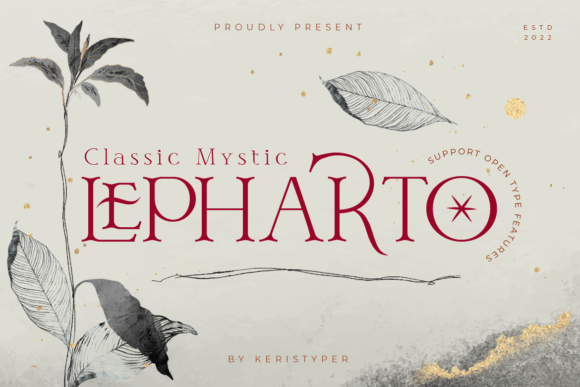
In the vast ocean of typography, finding a font that balances historical weight with contemporary flair can feel like searching for a needle in a haystack. For designers, creators, and entrepreneurs, the choice of typeface is not merely aesthetic; it is a strategic decision that dictates tone, readability, and brand perception. This is where Lepharto enters the conversation. Described as a modern, classic, mystic serif font, Lepharto offers a unique blend of tradition and intrigue. It is a typeface designed to command attention in logos, headlines, and social media graphics, while still possessing the elegance required for book titles and nuanced text layouts.
However, possessing a powerful tool and knowing how to wield it effectively are two different things. Many users download a font like Lepharto with high expectations, only to find their designs falling flat or looking chaotic. This usually stems from a misunderstanding of the font’s specific "personality" and the technical requirements of typography. Whether you are a freelancer pitching to a client, a small business owner building a brand identity, or a hobbyist creating content, understanding the nuances of Lepharto is essential to achieving professional results.
The Allure and the Trap of "Mystic" Aesthetics
The first step in utilizing Lepharto correctly is understanding its classification. It is marketed as having a "mystic" quality. For beginners, this can be a trap. It is easy to assume that because a font looks artistic, it should be the centerpiece of every design element. A common mistake is overusing Lepharto in contexts where it loses its impact. If you use a highly stylized serif for every single line of text on a webpage, the design becomes heavy and exhausting for the viewer.
Lepharto thrives on contrast. Its strength lies in its ability to act as a strong, authoritative voice. Think of it as the narrator of your design story. If the narrator speaks in a dramatic whisper for every word, the message loses weight. To avoid this, you must respect the font's intended hierarchy. It is exceptionally good for logo designs, movie titles, and book titles. These are high-impact, low-word-count environments where the font’s intricate details can shine without overwhelming the eye.
When you stray into using Lepharto for long-form body text without modification, readability often suffers. Serifs are generally better for print reading, but a stylized digital serif like Lepharto can cause eye strain on screens if the text size is too small or the line height is too tight. If you intend to use it for short text blocks, ensure the font size is generous—typically 16px or larger for web use—to let the "mystic" details of the serifs be appreciated rather than muddied.
The Critical Role of Pairing: Why Lepharto Needs a Partner
Perhaps the most significant oversight users make with Lepharto is attempting to use it as a standalone solution for all text needs. The font description explicitly suggests it is "good for your secondary text combined with a sans serif." Ignoring this advice is a frequent error that leads to cluttered and amateurish designs.
Typography is about relationships. Lepharto has a high personality quotient; it is expressive and decorative. If you pair it with another decorative font or a serif with a different mood (like a traditional Times New Roman), the result is visual dissonance. The fonts will "fight" for the viewer's attention.
The better approach is to treat Lepharto as the primary visual anchor and pair it with a clean, neutral sans-serif font. Think of fonts like Montserrat, Roboto, or Open Sans for your body copy. These fonts are workhorses; they step back and let Lepharto take the stage for the headlines. This contrast creates a visual hierarchy that guides the reader's eye naturally from the engaging title to the informative body text.
For example, if you are designing a social media post for a boutique coffee shop, use Lepharto for the phrase "Autumn Collection." Its classic, mystic vibe evokes warmth and tradition. Then, use a simple sans-serif for the details: "Available now in-store and online." This separation prevents the design from looking like a ransom note and ensures the message is communicated efficiently.
Technical Pitfalls: Spacing and Legibility
Even experienced designers can stumble when applying a new font due to technical oversights. Lepharto, with its classic serif construction, often requires manual adjustments to kerning (the space between specific pairs of letters) and tracking (the overall spacing of a word).
A common mistake is accepting the default spacing provided by design software. Serif fonts, particularly those with decorative flourishes, can sometimes appear crowded. If the letters in "Lepharto" look like they are touching or merging, the text becomes illegible, especially at smaller sizes.
Practical Advice: Always zoom in on your headline text. Check the interaction between letters like 'T' and 'o', or 'L' and 'e'. You may need to increase the tracking slightly to let the font breathe. This is particularly crucial for social media graphics viewed on mobile devices. A title that looks majestic on a desktop monitor might look like a blurry blob on a smartphone screen if the spacing is too tight.
Furthermore, be mindful of color contrast. Because Lepharto has intricate details, placing it on a busy background or using a low-contrast color scheme (like light grey text on a white background) will obscure its beauty. Ensure high contrast between the text and the background to maintain the integrity of the font's design.
Evaluating Context: When Not to Use Lepharto
Knowing when not to use a font is just as valuable as knowing when to use it. While Lepharto is versatile, it is not universal. It is not the ideal choice for technical documentation, legal disclaimers, or extensive data tables. In these contexts, clarity and neutrality are paramount, and the stylistic flair of Lepharto can be perceived as unprofessional or distracting.
Consider the medium. If you are designing a logo, Lepharto is an excellent candidate because logos require distinctiveness. However, if you are writing a technical manual for a software product, the "mystic" quality might confuse readers who are looking for straightforward instructions.
Before committing to Lepharto for a project, ask yourself: Does this context require authority and style, or does it require anonymity and function? If the answer is authority and style, proceed. If the project demands that the text disappear into the background to support the data, choose a more neutral typeface.
Downloading and Licensing: Avoiding Legal and Quality Issues
A practical concern that often gets overlooked is the source of the font file. The internet is rife with "free" font sites that host outdated versions of typefaces or, worse, files infected with malware. Using an illegitimate source for Lepharto can lead to corrupted font files that crash your design software or cause rendering errors in the final export.
Moreover, for professionals and business owners, licensing is non-negotiable. Using a font without the correct license for commercial use can lead to legal headaches and fines down the road. Always verify that you are downloading Lepharto from a reputable foundry or marketplace and that your license covers your intended use (e.g., desktop, web, or app usage).
Final Thoughts on Mastering Lepharto
Lepharto is more than just a collection of vectors; it is a tool for storytelling. Its blend of modern and classic elements makes it a powerful asset for anyone looking to elevate their visual communication. By avoiding the pitfalls of overuse, poor pairing, and technical neglect, you can harness its full potential.
Remember that good typography is invisible when it works; it simply communicates. Use Lepharto to set the stage, pair it with a reliable sans-serif to tell the story, and always prioritize the reader's experience. Whether you are crafting a movie title or a social media caption, this approach will ensure your designs are not just seen, but felt.